Ladies and Gentlemen, honoured guests, speakers, colleagues and partners,
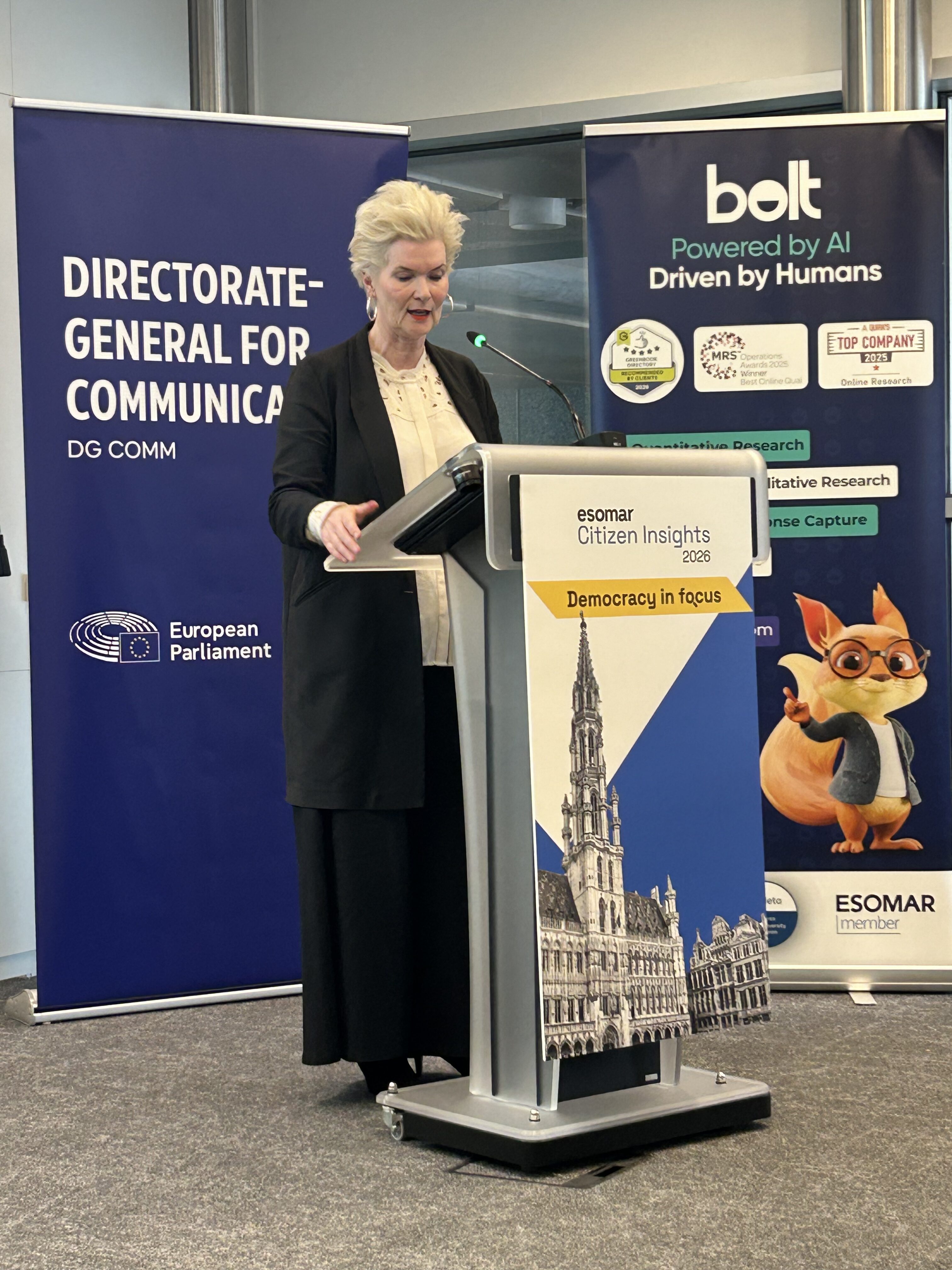
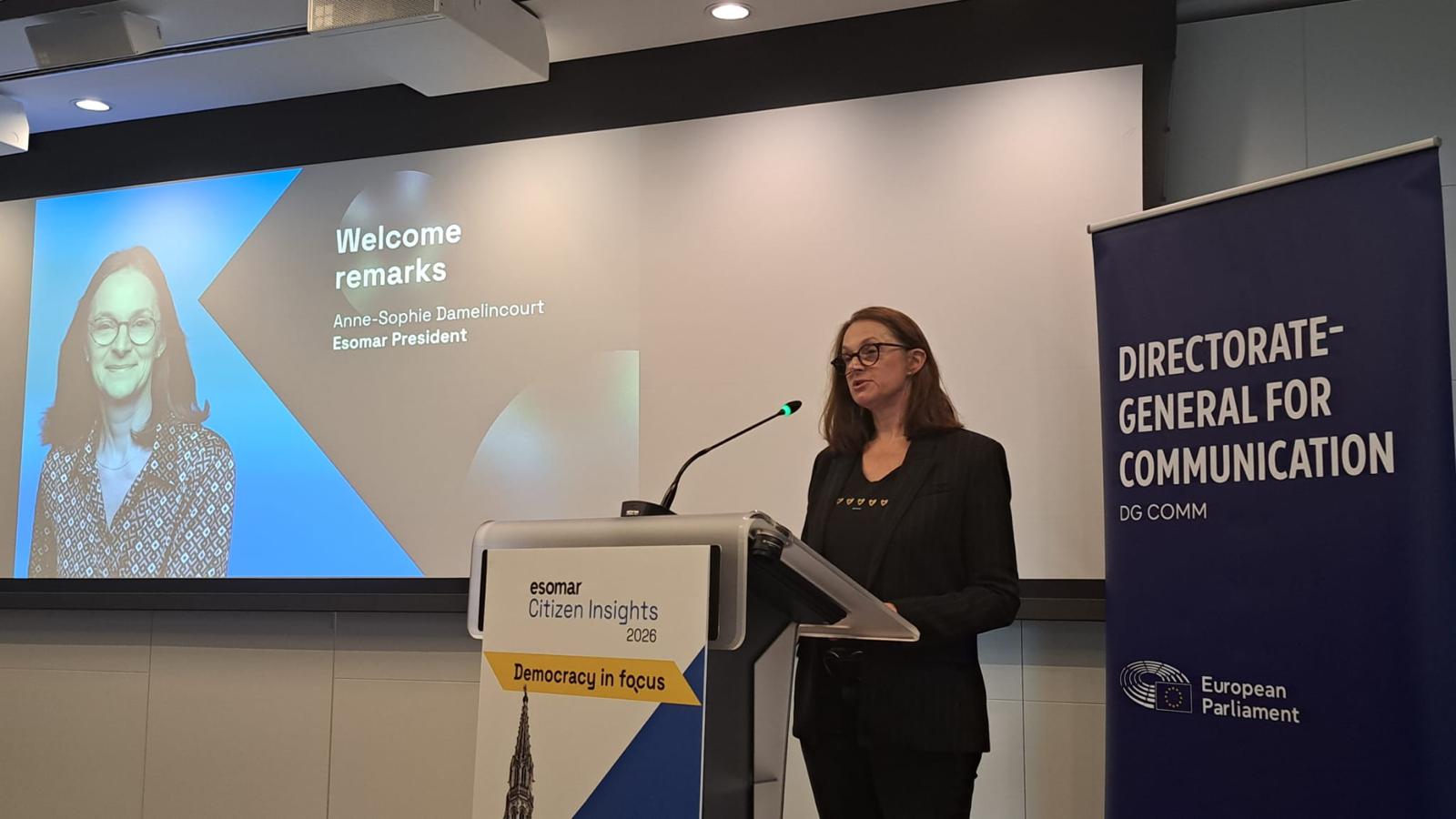
Welcome to Brussels. Welcome to the European Parliament. And welcome to a conversation that I believe is one of the most important our profession has ever been invited to lead.
My name is Anne-Sophie Damelincourt. I am President of ESOMAR, the global association representing over 10, 000 professionals in the data, research and insights industry, across more than 130 countries. And I am deeply honoured to open the Citizen Insights Summit here today, in this house of European democracy.
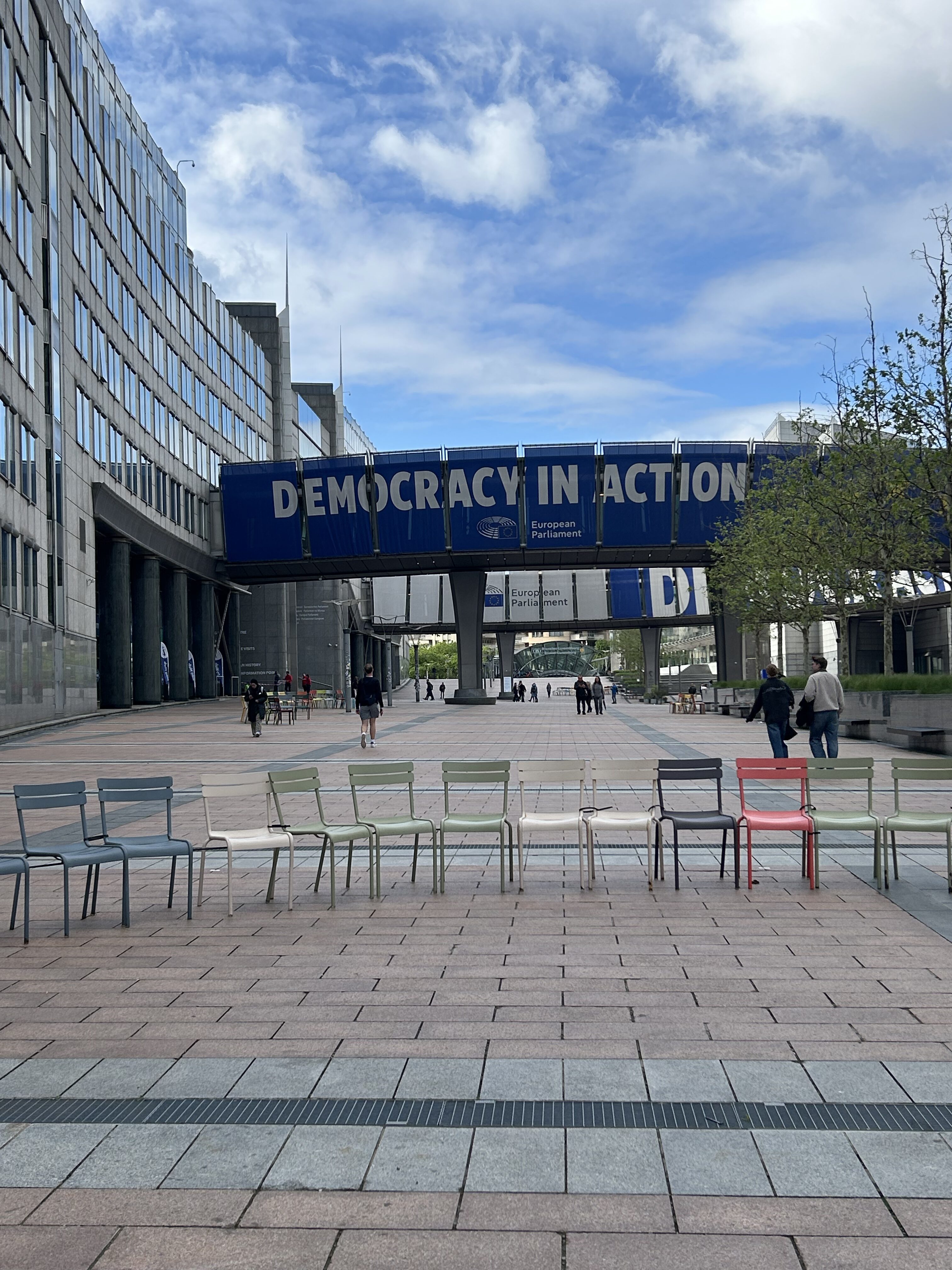
Before I begin, I want to acknowledge something that is not lost on any of us in this room: the choice of this venue, the European Parliament, is a statement. It says that research, data and citizen insight belong at the heart of democratic life.
Let me begin with the world as it is.
Across Europe, and across the democratic world more broadly, we are living through a period of profound and accelerating transformation. The digital revolution has reshaped how citizens access information, how they form opinions, and how they engage — or disengage — with public life. Artificial intelligence is changing the speed and scale at which data and narratives are created, amplified and contested. And social media ecosystems, built for engagement rather than truth, have become powerful engines of fragmentation.
At the same time, trust — that quiet but essential foundation of democratic societies — is under pressure. Trust in institutions. Trust in media. Trust in expertise. In many countries across Europe, the distance between citizens and those who govern them has grown wider in recent decades. And we feel it: in rising abstention, in the hardening of social divides.
This is the landscape we are working in today. And I do not raise it to paint a picture of despair. I raise it because understanding this landscape clearly, honestly and with rigour is exactly what our profession exists to do.
Ladies and gentlemen, data and insights are not neutral tools. They are, at their best, acts of listening.
When researchers go into a community, whether through a survey, a focus group, an ethnographic study, or a digital platform, they are saying to citizens: your experience matters. Your voice will be heard. Your reality will be taken seriously. That is not a small thing. In a world where so many people feel unseen and unheard by those in power, the act of rigorous, ethical, representative research is itself a democratic act.
But we can go much further than that. The tools available to our profession today, from advanced sentiment analysis and behavioural data to deliberative research methods and real-time citizen feedback platforms, give us an extraordinary capability: the ability to help policymakers not just hear from citizens, but truly understand them. To move beyond the headline and into the nuance. To capture not just what people think, but why they think it, what they fear, what they hope for, and what conditions might change their minds.
This is what evidence-based policymaking looks like when it is done well. And this is why events like today’s matter so profoundly.
But capability alone is not enough. For data and insights to serve democracy, they must be trusted. And trust, in our profession as in politics, is not given freely. It must be earned, demonstrated and continually renewed.
This is where I want to speak about something that sits at the very core of what ESOMAR stands for: the ICC / ESOMAR Code of Conduct.
Developed jointly with the International Chamber of Commerce, the ESOMAR Code is the global framework that defines the ethical principles governing how research is conducted, how data is collected, how respondents are protected, and how findings are used. It is not a bureaucratic compliance exercise. It is a moral contract, between researchers and the people they study, between our profession and the societies it serves.
The Code enshrines principles that are especially relevant in the context of today’s summit: the right of citizens to privacy and informed consent; the obligation to represent findings honestly and without manipulation; the clear separation between genuine research and data collection used for non-research purposes such as direct marketing or political targeting. These distinctions matter enormously in an age when the boundaries between research and influence have never been more contested.
What makes the ICC ESOMAR Code particularly powerful is that it is built on the principle of self-regulation. We set our own standards, hold ourselves accountable to them, and invite public scrutiny of our practice. In a world where regulation often lags far behind technological change, self-regulation by a responsible, globally organised profession is not a lesser alternative to legislation, it is a complement to it, and often a faster and more agile one.
Additionally, I want to speak directly to one of the defining challenges of our time: polarisation.
It would be a mistake to think of polarisation simply as a disagreement between people with different views. Societies have always contained people with different views. That is, in fact, the very essence of democracy. What is different today is the structural environment in which disagreement takes place.
When citizens live in separate information worlds, consuming different sources, trusting different authorities, sharing almost no common factual foundation, debate becomes not just difficult but almost impossible. When algorithms reward outrage over nuance, and when disinformation can travel faster and further than correction, the very conditions for democratic deliberation begin to erode.
Here, again, our profession has a critical role to play. Research can help map the information landscape, identifying where narratives diverge, where common ground still exists, and where targeted interventions might restore shared reality. Citizen engagement tools can create structured spaces for dialogue across divides. And the discipline of representative, methodologically rigorous research can serve as a counterweight to the loudest voices, reminding us that the most vocal online are rarely the most numerous in society.
We have the tools. The question — and it is the central question of today’s summit — is whether we have the will and the institutional frameworks to deploy them at scale, in service of democracy.
At ESOMAR, we believe the answer must be yes.
This is not simply a professional ambition. It is an ethical one.
We also believe that the research profession must step forward confidently and visibly into the public arena.
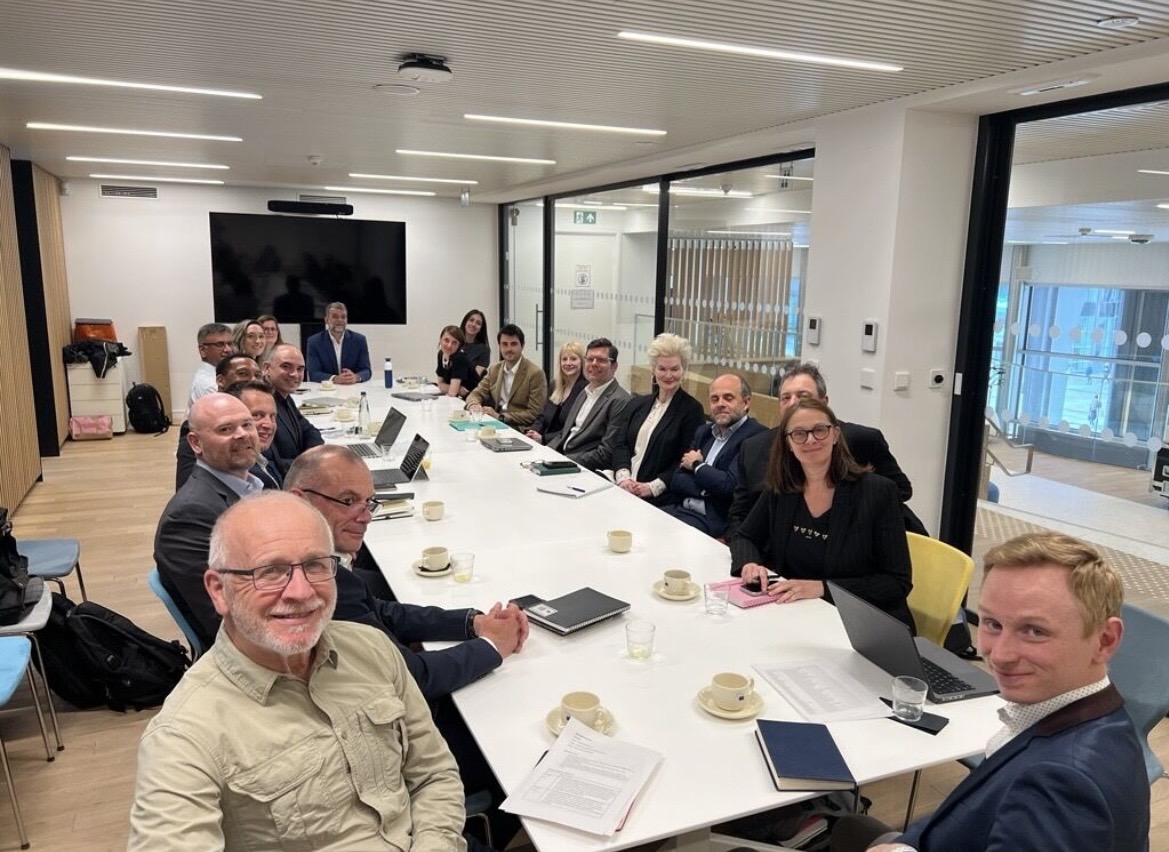
Looking around this room, I see researchers and data experts. I see public affairs professionals and civil society advocates. I see people who have dedicated their careers to understanding society and to making it function better.
You are, each of you, part of the answer to the challenges I have described. Not because any single one of us holds the solution, but because the solution will emerge from exactly the kind of cross-disciplinary, evidence-driven, good-faith conversation that today is designed to foster.
I want to ask something of you today. Not just to listen. But to engage with the genuine complexity of these questions. To resist the temptation of easy answers. To bring your expertise, your experience and your intellectual honesty to bear on problems that are genuinely hard and genuinely important.
Ladies and Gentlemen, we are here today in the European Parliament because we believe that data and insights can strengthen democracy. That citizen voices, properly heard and properly represented, can lead to better decisions. That research, at its best, is not just a professional service, it is a public good.
That is the conviction behind this summit. That is the spirit in which ESOMAR brings you together today.
The conversations you will have in the next hours will not solve everything. But they will matter. They will contribute to a growing body of knowledge, practice and advocacy that, I am convinced, will make a real difference to how Europe – and beyond – listens to its citizens and how its citizens feel heard.
Thank you for being here. Thank you to the European Parliament for hosting this event. And let us make the most of this day.
The Citizen Insights Summit is now open.
Thank you.